
Wildland Fire Protection in Open Environments
Wildland fire protection in open environments operates under a different set of conditions than structure-based fire protection. Grassland, agricultural, and mixed-use terrain introduce continuous fuels, limited infrastructure, and strong wind influence, all of which contribute to rapid fire spread.
Incidents observed across Nebraska, South Dakota, Kansas, and Oklahoma continue to show the same pattern. When wind, dry fuel, and terrain align, fire behavior escalates quickly and often outpaces response positioning. These are not isolated events. They represent expected operating conditions across large areas of the United States.
The primary driver in these scenarios is not ignition probability alone, but time-compressed exposure, where fire spread and directional shifts reduce the window for effective intervention.
How Wildland Fire Behavior Changes in Open Terrain
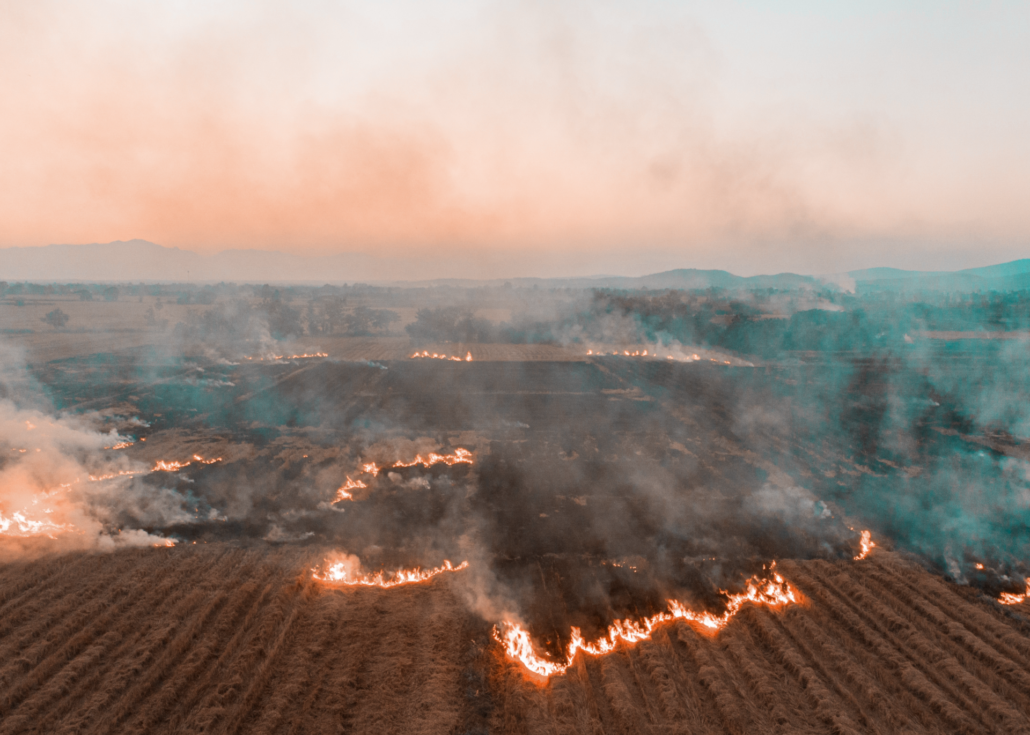
In open environments, fire is primarily wind driven. Flame tilt increases forward heat transfer, preheating vegetation ahead of the fire front and accelerating spread across dormant fuels.
Fine, continuous fuel geometry allows fire to move laterally with minimal interruption. In cattle and agricultural regions, this includes pastureland, shelter belts, cedar growth, and varied terrain such as canyons. Embers can travel significant distances and remain hot, creating ignition points well ahead of the main fire.
Changing wind direction and relative humidity further reduce predictability. Conditions can shift rapidly throughout the day, compressing decision cycles and requiring continuous repositioning of resources.
Operationally, this environment should be treated as one where escalation occurs within minutes.
Constraints, Deployment Limits, and Wildfire Response
Wildland fire response is constrained by logistics as much as by fire behavior.
Water supply is often limited, requiring shuttle operations with tenders and staged refill points. Hydrant infrastructure is typically unavailable. The scale of these incidents reduces the feasibility of full perimeter suppression, forcing prioritization of segments and assets.
Mobility has become a critical constraint. Access roads, turnaround points, and positioning time directly compete with the rate of fire growth. At the same time, environmental conditions continue to evolve, meaning the fire being addressed is constantly changing.
As a result, response doctrine shifts from attempting to extinguish the fire everywhere to managing impact through anchor, flank, and hold strategies at defined control points.
Wildland Urban Interface (WUI) and Exposure Zones
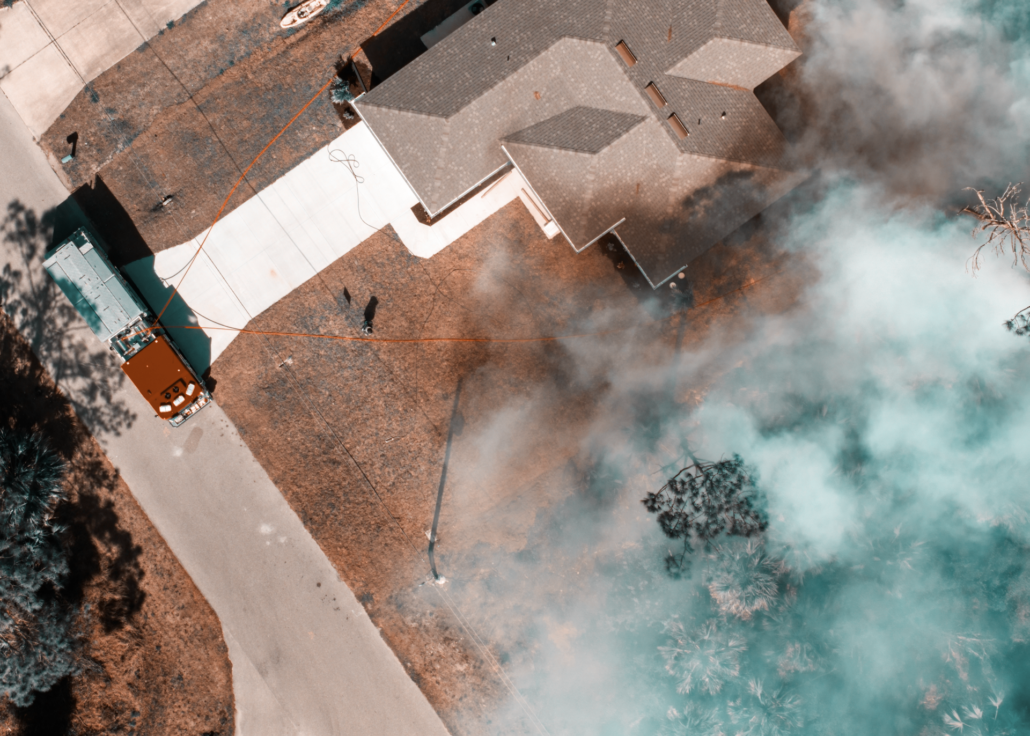
A key area of focus in wildland fire protection is the Wildland Urban Interface (WUI), where undeveloped land and human development meet or intermingle.
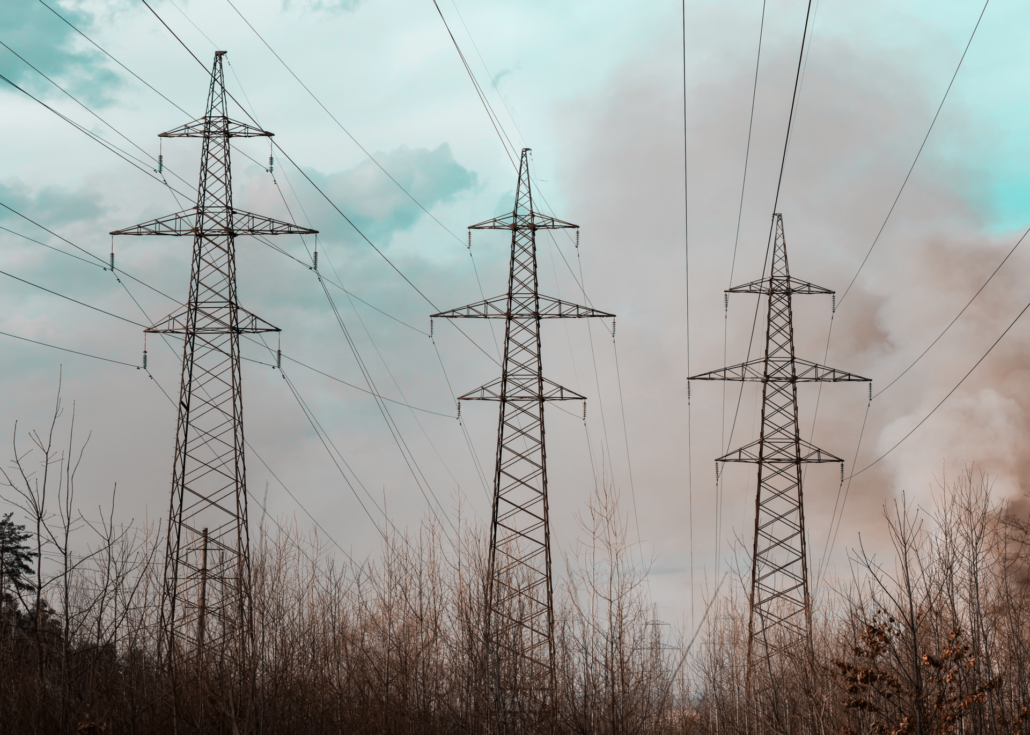
These zones include rural communities, farms, infrastructure corridors, and operational sites. They are not limited to traditionally high-risk regions. WUI conditions exist across tens of thousands of communities in the United States and continue to expand.
In these environments, fire impact is driven by exposure rather than fuel alone. Common failure points include loss of access routes, heat damage to structures and equipment, reduced visibility, and ember-driven secondary ignition.
Operational focus shifts toward protecting what is exposed at the fire edge rather than attempting to control the entire fire footprint.
Suppression Strategy: Broad Area and Control Points
Wildland fire suppression combines broad-area tactics with targeted intervention.
Broad suppression methods such as aerial support, line construction, and mobile ground operations are necessary to slow overall fire growth. However, outcomes are often determined at specific locations where intervention changes the trajectory of the event.
Control points such as roads, firebreaks, natural barriers, and anchor locations become critical. These areas allow resources to be concentrated where they can hold the line, protect assets, and prevent further spread into higher-consequence zones.
This approach reflects a shift from uniform suppression to precision-based deployment at the fire edge.
Water Application and Operational Efficiency
Water remains the primary suppression medium, but its effectiveness in open environments is constrained by availability, delivery rate, and sustainment.
Performance depends on flow rate at the nozzle, application pattern, reach, runoff losses, and reapplication intervals. Cycle time is driven by shuttle distance, fill time, and deployment efficiency.
Under these conditions, the objective is not volume alone. It is maximizing cooling and coverage per gallon applied at the highest-consequence locations.
Localized Wildland Fire Suppression at the Edge
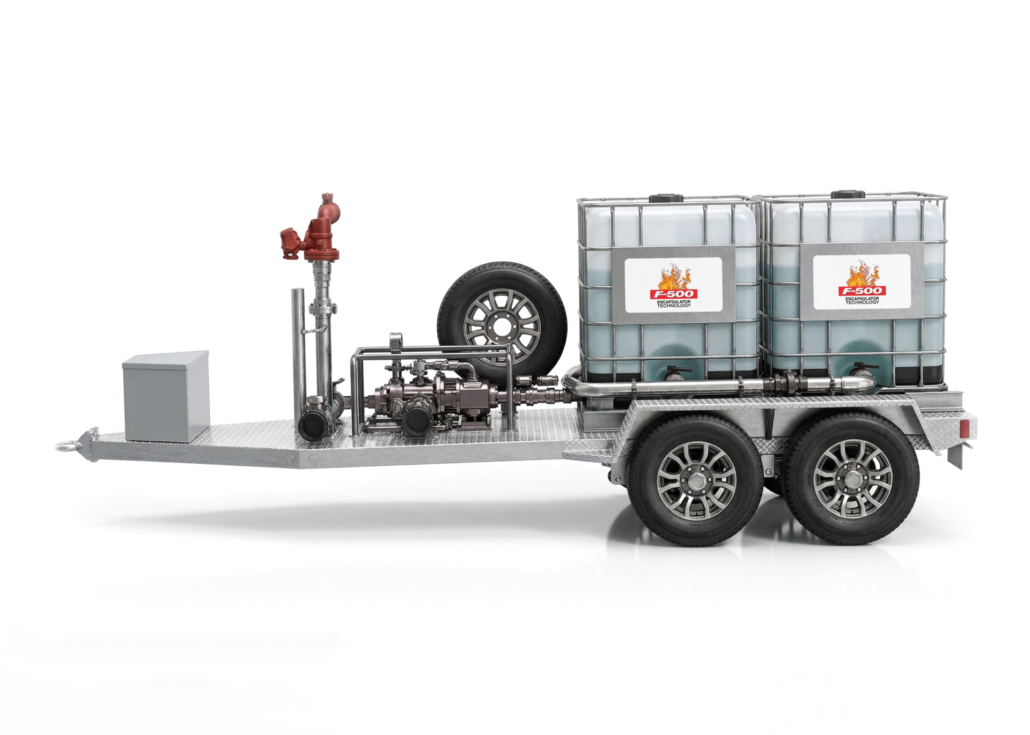
Primary suppression tactics include hose lays, mobile water tenders, aerial drops, and firebreak construction. At the fire edge, where heat flux and ember exposure directly impact infrastructure and operations, localized protection becomes necessary. In these conditions, systems that can be deployed without fixed infrastructure and operate with available water sources are critical.
Equipment such as the F-500 EA® Special Agent Trailer and F-500 EA® Diamond Doser® Fire Suppression System can be positioned at refill points or along operational lines to provide consistent field application. When used with F-500 EA®, these systems support improved cooling efficiency and help manage flammable vapors in high heat environments. This type of application supplements primary suppression by strengthening control points, reducing exposure at the perimeter, and allowing resources to operate more effectively within constrained logistics.
From Broad Wildfire Suppression to Targeted Control
Large-scale suppression remains essential, but it is not always sufficient on its own.
A more focused approach considers where intervention can meaningfully change the trajectory of the fire. Instead of applying resources uniformly, attention is directed toward critical boundaries, exposed assets, and operational zones.
This might involve reinforcing firebreaks, protecting structures, or reducing heat intensity in specific areas. The goal is not to control everything, but to control what matters most.

Water Use and Efficiency in Rural Communities
Water remains central to fire suppression, but in open environments its availability and delivery are constrained.
This makes efficiency important. The way water is applied, how much is required, and how long it can be sustained all influence effectiveness. Approaches that improve cooling efficiency or extend usable supply can provide meaningful operational advantages, particularly in remote or resource-limited conditions.
Wildland fire protection decisions are closely tied to resource efficiency and operational constraints.
Planning considerations include available equipment, staffing, water supply logistics, and access limitations. Evaluation should focus on cycle time, deployment efficiency, and the ability to maintain application at critical locations.
Effectiveness is measured through outcomes such as reduced water usage per protected asset, reduced re-ignition, and minimized damage to infrastructure and equipment.
This shifts the focus toward cost-effective deployment, where resources are applied based on measurable impact.
Advanced Wildland Fire Protection for Future Generations
Wildland fire protection in open environments is defined by speed, scale, and constraint. As WUI conditions expand and infrastructure exposure increases, response strategies must align with how fire behaves in these settings.
Effective operations depend on identifying control points, prioritizing high-consequence zones, and applying resources where they influence outcomes.
In these conditions, success is determined not by how much is applied, but by how effectively it is positioned and sustained at the fire edge.
For further technical context, readers may explore:
> F-500 Encapsulator Agent (F-500 EA®)
Contact Us for More Info
on Wildland Fire Protection
"*" indicates required fields


