
Power Plant Safety: Protecting America’s Growing Energy Infrastructure
As electricity demand accelerates and power infrastructure expands across the United States, protecting the systems responsible for generating, storing, and distributing energy is becoming increasingly critical.
America’s energy landscape is undergoing a significant transformation. The rapid expansion of artificial intelligence, data centers, advanced manufacturing, and electrification is driving electricity demand to new heights. Meeting that demand requires more than generating additional power. It calls for expanding infrastructure, modernizing existing facilities, and strengthening the reliability of an increasingly interconnected electrical grid.
A Growing Nation Demands More Power
According to the U.S. Energy Information Administration (EIA), developers planned to add a record 86 gigawatts (GW) of new utility-scale electric generating capacity in 2026, surpassing the 53 GW added in 2025.
Solar energy and battery storage represent the largest shares of planned additions, while natural gas, wind, and other generation technologies continue to play important roles in meeting growing demand.
The EIA also projects U.S. electricity sales to reach approximately 4,135 billion kilowatt-hours in 2026 and 4,211 billion kilowatt-hours in 2027. These figures highlight an important reality: America’s energy infrastructure is expanding, and the systems supporting it must evolve accordingly.
Where America’s Power Framework Is Expanding
Across the country, utilities and energy developers are investing in new generation capacity, battery energy storage systems, and improvements to existing facilities. Several developments illustrate the scale and diversity of this expansion:
Texas
Expanding Generation and Energy Storage
Texas remains a major center of energy infrastructure development. According to the EIA’s 2026 capacity outlook, the state accounts for approximately 40% of planned U.S. utility-scale solar additions and 53% of planned battery storage additions. Projects such as the Tehuacana Creek 1 Solar and BESS facility, with 837 MW of planned solar capacity and 418 MW of battery storage, illustrate how generation and storage technologies are increasingly being developed together.
Georgia
Preparing for Continued Electricity Demand
Georgia Power is expanding its energy infrastructure through a combination of natural gas generation, solar projects, and battery storage. In September 2026, the company announced commercial operation of its 128 MW Robins Battery Facility. Additional storage projects are under development, including a 260 MW battery energy storage system in Jefferson County.
Tennessee
Investing in Reliable Generation
The Tennessee Valley Authority (TVA) is advancing its 1,450 MW Cumberland Combined Cycle Project, with commercial operation targeted for 2026. TVA’s 2026 Integrated Resource Plan also identifies a potential need for 11–32 GW of additional generating capacity through 2040, reflecting the region’s long-term electricity requirements.
The Carolinas
Modernizing Existing Power Infrastructure
Duke Energy is repurposing former coal generation infrastructure to accommodate energy storage. At the former Allen Steam Station in North Carolina, a 50 MW battery energy storage system entered service, with another 167 MW system planned at the site.
Together, these developments demonstrate how America’s power sector is evolving through both new construction and the modernization of existing infrastructure. Every addition to the nation’s energy infrastructure introduces new operational considerations and the opportunity to readdress power plant safety.
Power Plant Safety for Every Energy Source
Power generation facilities contain complex combinations of mechanical equipment, electrical systems, combustible materials, and high-temperature processes. While these hazards are not new, expanding facilities and increasingly interconnected infrastructure can make their consequences more significant.
The specific fire safety challenges vary considerably across energy sources and facility types.
Natural Gas
Pressurized fuel systems, gas leaks, turbine lubricating oils, and high-temperature equipment can create fire and explosion hazards.
Nuclear
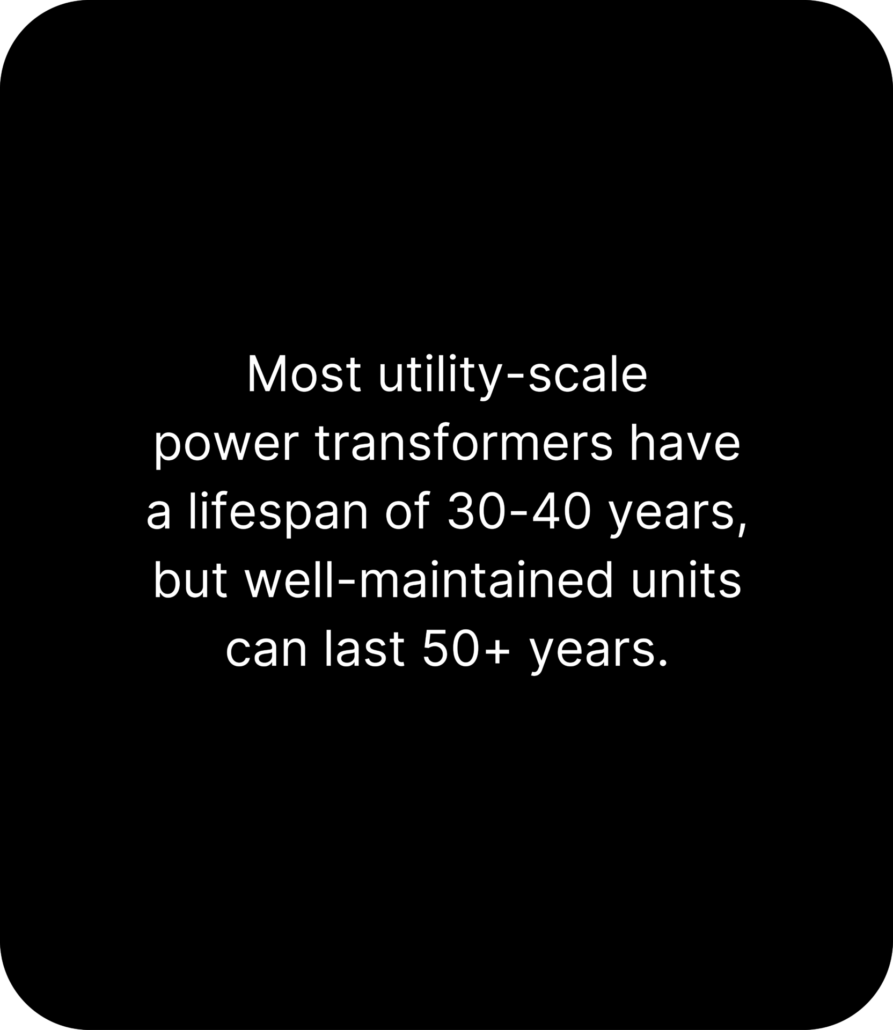
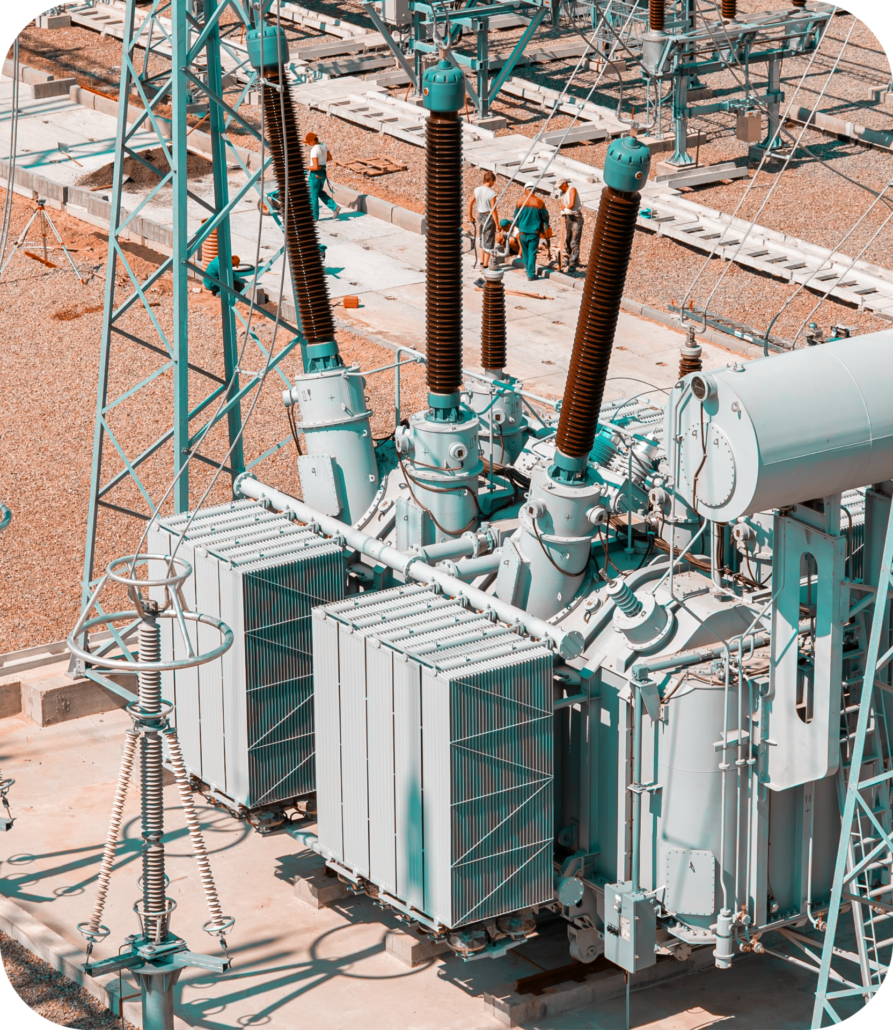
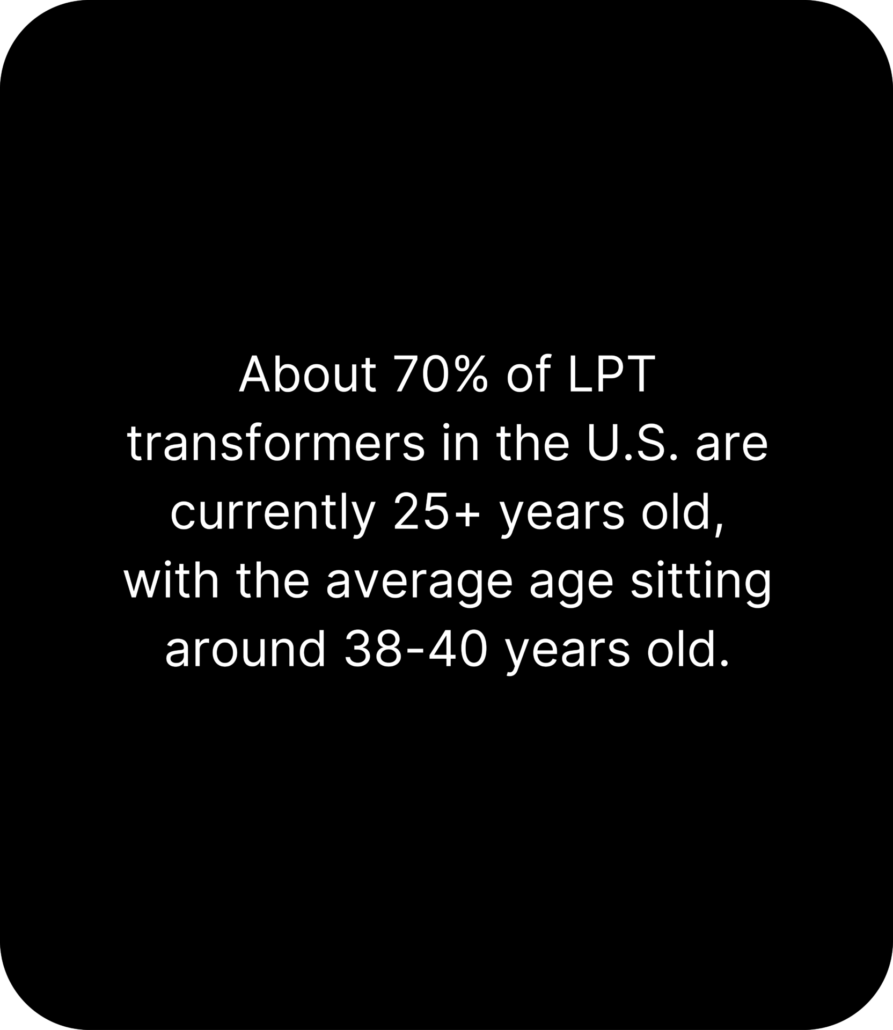
Electrical cable fires, turbine oil incidents, and transformer failures can threaten essential equipment and plant operations.
Coal
Spontaneous heating, combustible coal dust, conveyors, bunkers, and pulverizers require specialized strategies, particularly when handling Powder River Basin (PRB) coal.
Wind
Lightning strikes, gearbox failures, overheating bearings, and electrical faults present serious challenges in remote, elevated turbine installations.
Solar
Damaged conductors, electrical arcing, equipment failures, and surrounding vegetation can contribute to fire incidents across large installations.
Hydroelectric
Generators, hydraulic equipment, lubricating oils, and confined equipment spaces create hazards even in facilities that do not rely on combustible fuels for generation.
Battery Energy Storage Systems (BESS)
Lithium-ion battery failures can lead to thermal runaway, flammable gas release, fire propagation, and potential explosion hazards.
In addition to power generation and storage facilities, data centers introduce substantial electrical and cooling infrastructure requirements, including transformers, backup power systems, and other critical equipment.
As these technologies become increasingly interconnected, a localized fire incident can affect more than an individual component. Equipment damage, interrupted generation, prolonged maintenance, and operational downtime can create consequences extending beyond the facility itself.
Protecting America’s Critical Infrastructure
The modernization of America’s electrical grid is receiving increased national attention. Through its Genesis Mission initiative, the U.S. Department of Energy has identified grid modernization as a priority, exploring how artificial intelligence and advanced computational technologies can improve grid planning, interconnection, operations, and security. The initiative targets faster decision-making and improvements in electricity cost and reliability.
While advances in grid intelligence and operational efficiency are important, safeguarding physical infrastructure remains equally essential. Modern power facilities require fire safety strategies that account for the characteristics of their equipment, the materials involved, and the operational consequences of an incident. Power plant safety extends beyond extinguishing a fire. It also involves recognizing emerging hazards, reducing the potential for escalation, protecting critical assets, and preparing personnel to respond safely.
As facilities expand and experienced operators retire, hazard awareness, emergency preparedness, and specialized training become increasingly important.
HCT’s Role in Power Plant Fire Safety
At Hazard Control Technologies (HCT), protecting critical infrastructure means addressing fire hazards across the full spectrum of power generation and energy storage.
HCT’s proprietary F-500 EA® Encapsulator Agent technology supports fire suppression applications involving combustible fuels, lubricating oils, and other hazards encountered throughout the power industry. Through its encapsulation and cooling capabilities, F-500 EA® is designed to support effective hazard mitigation in applications where conventional fire suppression approaches may present operational limitations.
HCT provides a range of fire safety solutions for power industry applications, including:
F-500 EA® Fire Suppression Systems
Engineered solutions designed to address application-specific hazards and protect critical equipment and infrastructure.
Fire Protection for Power Generation
Solutions addressing combustible fuel, turbine lubricating oil, transformer, and other equipment-related fire hazards.
Battery Energy Storage Fire Protection
Application-specific approaches to mitigating lithium-ion battery fire hazards, including thermal runaway-related risks.
Specialized Training
Power Plant Hazards Awareness, Coal Handling Hazards Awareness, and Coal Bulk Storage Fire Response courses designed to strengthen hazard recognition and emergency preparedness.
HCT also draws upon extensive third-party testing and compliance evaluations, including work associated with NFPA 18A, to support the application of its fire suppression technology.
By combining engineered fire protection systems, technical expertise, and specialized training, HCT helps power industry operators address hazards across both established and emerging energy technologies.
Building a More Resilient and Renewable Future
America’s electricity requirements will continue to shape how power is generated, stored, and delivered. From natural gas and coal facilities to nuclear generation, renewable energy installations, and battery energy storage systems, every part of the energy landscape presents distinct operational challenges.
Expanding generation capacity is essential to meeting future demand. Protecting that capacity is equally important. As investments in power infrastructure accelerate, fire safety must remain a fundamental consideration in facility design, operations, and emergency preparedness.
At HCT, we’re committed to helping the power industry protect its people, preserve critical assets, and strengthen operational resilience as America’s energy infrastructure evolves.
Explore HCT’s Power Plant Fire Safety solutions or contact our team to discuss your fire protection requirements.
Frequently Asked Questions
What is an Encapsulator Agent?
Foams work on a mechanical level, relying on a bubble blanket to separate the fuel from the oxygen. Unlike foams, Encapsulator Agents work on a molecular level, relying on spherical micelles to encapsulate fuel. These spherical micelles work on all four legs of the fire tetrahedron simultaneously to deliver three unique features: encapsulation, rapid heat reduction, and free radical interruption.
Encapsulator Agents are recognized in NFPA 18A, Standard on Water Additives for Fire Control and Vapor Mitigation. This is the first standard outlining the criteria an agent must meet to be classified as an Encapsulator Agent. The Spherical Micelle Stability Test protocol in Section 7.7 evaluates a concentrate’s ability to form stable spherical micelles which are capable of encapsulating hydrocarbon and polar based fuels, thereby rendering them nonflammable.
What types of fires can F-500 EA® extinguish?
F-500 EA® can effectively extinguish blazes containing mixed materials.
Class A
Wildland Fires, Wood, Paper, Cloth, Rubber, Plastic, Coal, Etc.
Class B (2D)
Gasoline, Diesel Fuel, Oil, E10, E85, Ethanol, Methanol, Jet Fuel, Etc.
Class B (3D)
Transformers, Oil Rigs, Aircraft Turbines, Distillation Columns, Etc.
Energized Environments
Solar Panel Installations, Charging Stations, Substations, Etc.
Class D
Magnesium, Titanium, Aluminum, Zirconium, Lithium, Etc.
Lithium-ion Batteries
Battery Energy Storage Systems, EVs, E-bikes, Phones, Laptops, Etc.
Is F-500 EA® environmentally friendly?
Yes! F-500 EA® is fluorine free, biodegradable, and noncorrosive.
Nontoxic & Non-Skin Sensitizing
F-500 EA® was found to be non-sensitizing when tested in accordance with OECD-406.
Non-hazardous
F-500 EA® does not contain any ingredients reportable under the Superfund Amendments, Re-authorization Act (SARA) Title III, Section 313, or Comprehensive Environmental Response Compensation Liability Act (CERCLA). It can be discarded as a non-hazardous waste under RCRA CFR261.
Biodegradable
Testing shows that F-500 EA® is fully biodegradable. As with any substance, care should be taken to prevent uncontrolled discharge from entering ground water, surface water, or storm drains. With advance notice, F-500 EA® can be treated by local biological wastewater treatment plants. The lower the Biochemical Oxygen Demand (BOD) and Chemical Oxygen Demand (COD), the lower the demand for oxygen and the better for the aquatic ecosystem. When compared to several AR-AFFF products, F-500 EA®’s BOD is 87% less and its COD is 80% less.
EPA NCP Product Schedule Listed
F-500 EA® is listed on the National Contingency Plan Product Schedule of the U.S. Environmental Protection Agency (EPA) as a surface washing agent.

