
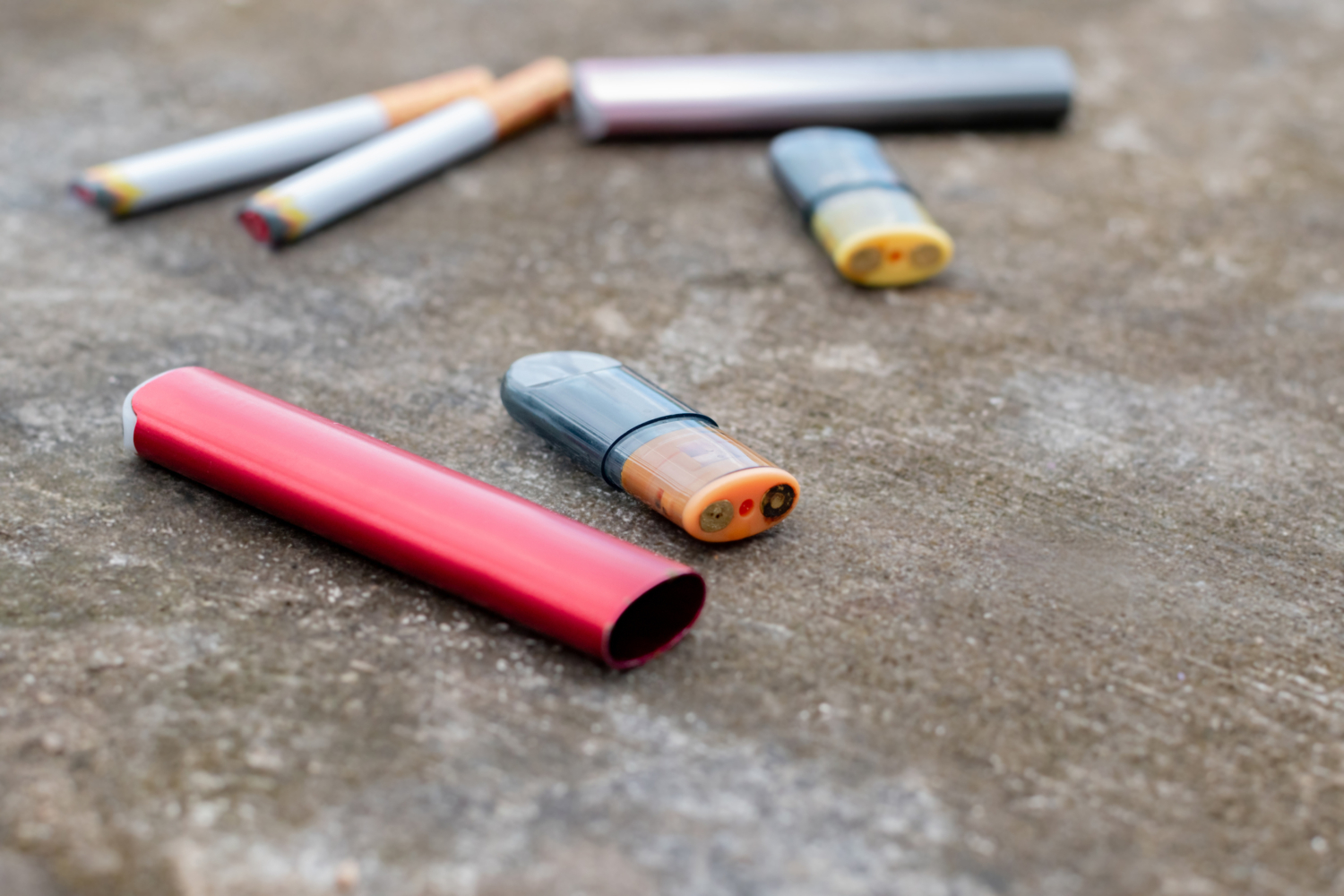
How disposable vape batteries are driving an unprecedented surge in waste management facility fires.
Can vapes explode? Unfortunately, yes. When a vape’s lithium-ion battery is punctured, overheated, or crushed, it can enter thermal runaway, a chain reaction that releases heat, flammable gas, and sometimes flames powerful enough to ignite surrounding materials. This design flaw, paired with improper disposal, has turned disposable vapes into a major fire hazard for waste facilities worldwide.
The numbers tell a stark story: 8.2 million disposable vapes hit the United Kingdom waste streams every week, and purchases have jumped 37% year over year. The result? Battery fires in waste facilities rose 71% in just two years, reaching more than 1,200 incidents in 2024.
This isn’t just a UK problem. German operators now report around 30 vape-related battery fires daily, and United States waste facilities are seeing early signs of the same trend. With an estimated 11,500 unapproved vape products flooding the American market, compared to only 23 FDA-approved devices, the industry faces an escalating and under-recognized threat.
Why Vape Batteries Become Fire Hazards
Disposable vapes are marketed as single-use, short-lived products. Yet inside E-cig devices is a rechargeable lithium-ion cell, a component the EPA classifies as hazardous waste due to its potential for fire and explosion.
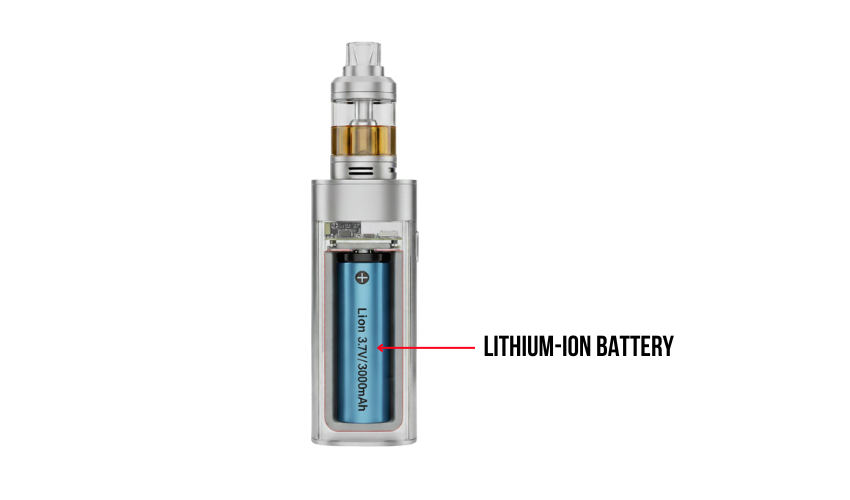
When these vapes end up in household trash instead of hazardous waste collection bins, the batteries can short circuit or rupture when compacted. According to the U.S. Fire Administration, they can behave like “flaming rockets,” launching sparks and burning electrolyte that spread through piles of paper, plastic, and organic waste.
Unlike phones or laptops designed for years of use, vapes concentrate high-energy cells in tiny, non-recyclable casings that offer no protection once crushed. Add poor quality control, especially in unapproved imports, and you have millions of miniature ignition sources entering waste streams every day.
Why Vape Fires Are Different
A vape battery fire behaves unlike a typical waste fire. When lithium cells rupture, they release flammable electrolytes and oxygen, feeding the blaze internally. Fires start fast, burn hot, and can re-ignite even after initial extinguishment.
Waste facilities face unique challenges:
- Small size: Vape batteries are hard to detect and often pass through sorting screens undetected.
- High energy density: A single cell can exceed 1,000°F during thermal runaway.
- Rapid propagation: When compacted, one cell can ignite others nearby.
Traditional water-based sprinklers struggle to suppress these events because lithium-ion battery fires are self-oxidizing. Instead, facilities are turning to specialized fire suppression systems, including the use of F-500 Encapsulator Agent to cool burning cells and encapsulate fuel.
Common Causes of Vape Explosions and Battery Malfunctions
While many users ask, “Why did my vape explode?” the answer almost always comes down to battery malfunction. Disposable and rechargeable vapes rely on lithium-ion cells that are sensitive to heat, pressure, and electrical faults. When these cells short-circuit or are punctured, a battery explosion can occur.

Other common causes include:
- Improper storage or disposal: Leaving vapes in extreme temperatures, such as inside hot vehicles, near heaters, or in direct sunlight, can accelerate battery degradation and increase internal pressure, leading to rupture or fire.
- Contact with metal objects: When vapes or loose batteries touch conductive items like keys, coins, or tools, the terminals can short-circuit instantly, causing sparks, overheating, or an e-cigarette explosion.
- Physical damage: Punctures, crushing, or impact during handling or waste processing can compromise internal components and trigger thermal runaway.
- Battery defects or deterioration: Even minor battery issues, like damaged wraps, corrosion, or leaking electrolytes, can weaken safety barriers and cause an exploding vape that ignites nearby materials within seconds.
The Regulatory Gap: When Vapes Become Hazardous Waste
Here’s the disconnect: disposable vapes are sold as consumer goods but classified as hazardous waste once discarded. Most consumers are unaware that used vapes cannot safely go in regular trash.
The EPA considers these electronic devices part of the universal waste stream, which requires dedicated recycling or disposal infrastructure. Yet Federal Drug Administration oversight focuses mainly on nicotine regulation, not the potential risks of the product’s end-of-life.
With 11,500 unapproved vape models in circulation versus only a few dozen officially cleared, recycling and safety standards are inconsistent at best. Without federal or state-level e-waste frameworks addressing electronic cigarette batteries specifically, waste handlers bear the full burden of a design problem they didn’t create.
Industry Impact
Waste facilities report that vape-related fires behave differently than other battery incidents. The devices are small enough to slip through initial sorting, compact enough to be crushed by standard equipment, and numerous enough to create multiple incident points throughout processing.
Key industry responses include:
- Installing infrared and thermal imaging systems to detect overheating cells early.
- Retrofitting fire suppression systems with lithium-compatible extinguishing agents.
- Segregating compacting operations and adding automated shutdown controls for early isolation.
Insurance markets are responding accordingly. Facilities that once had dozens of insurance options now have fewer than 10, as insurers retreat from what they see as an escalating risk category. Beyond the physical damage, each incident can result in costly operational downtime, halting sorting lines, triggering emergency response, and disrupting entire waste management schedules.
Some operators are investing in detection systems specifically designed to identify vape batteries before they reach crushing equipment. Others are modifying processing protocols to account for the volume of small battery-containing devices in their waste streams.
The UK Preview
The UK’s experience provides a clear preview of what unmanaged vape disposal looks like. Even after banning disposable vapes in 2024, millions of illegal or leftover units continued entering waste streams, creating concentrated disposal events.
Authorities found that bans on vape devices alone don’t solve the problem; infrastructure and education do. Without convenient collection and clear public guidance, consumers will keep tossing vape pens in general trash, perpetuating the fire risk.
This suggests that effective solutions need to address both the volume of devices and the convenience of disposal, not just regulatory restrictions.
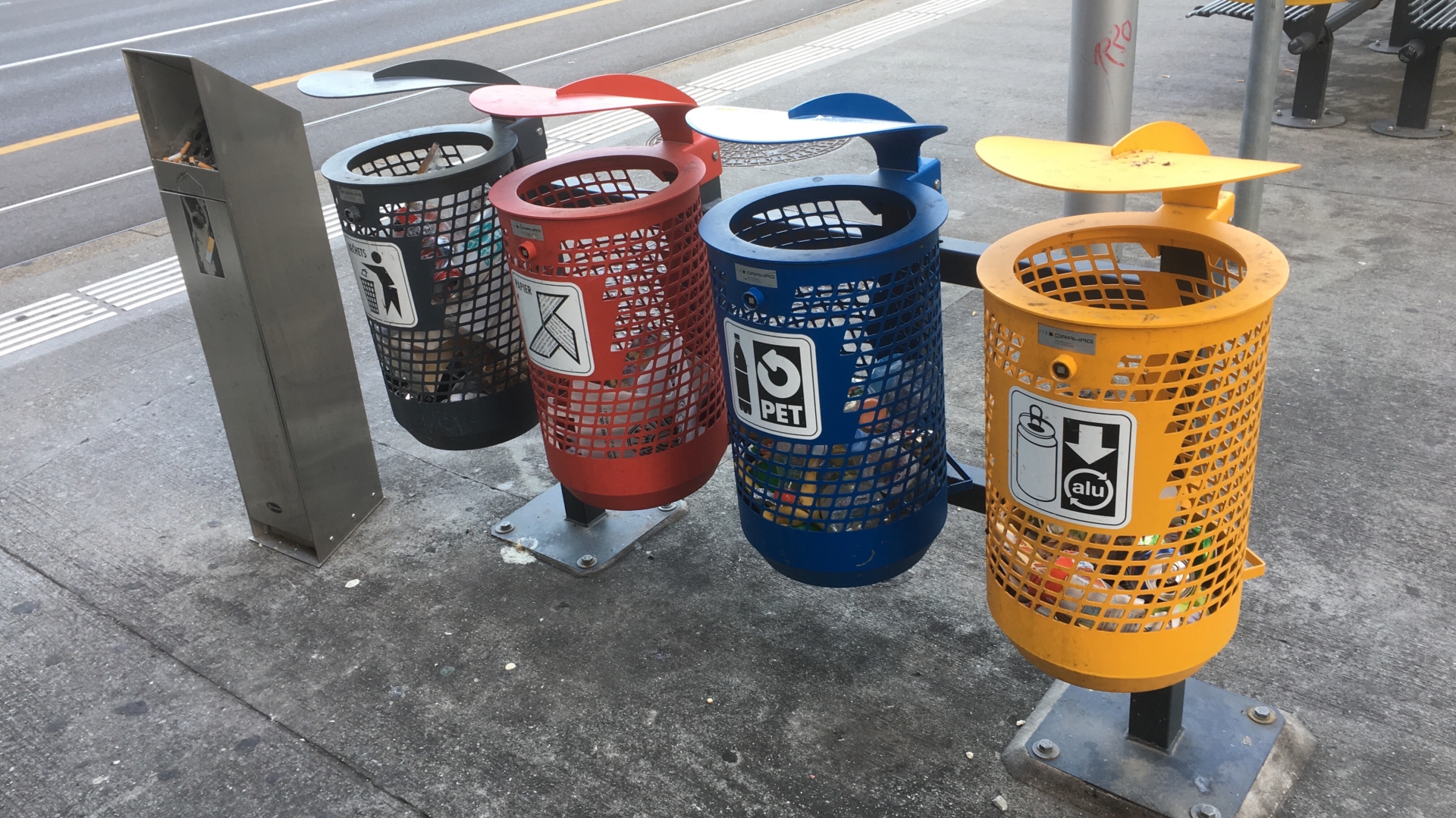
Photo taken in Genève, Switzerland
What’s Actually Working: Real Solutions for Vape Battery Fires
Some of the most effective mitigation strategies and safety features focus on making proper disposal easier than improper disposal:
- Retail take-back programs at vape shops and convenience stores (place of purchase).
- Convenient collection points in high-traffic locations (malls, transit hubs, and schools)
- Clearly labeling the vape as a battery-powered device, and the disposal requirements
- Economic incentives for consumers who return used vapes.
On the operations side, technology is playing a key role. Battery detection systems scan for small lithium cells before they reach shredders or compactors. Meanwhile, advanced lithium-ion fire suppression systems, like F-500 EA, are being integrated directly into sorting lines and storage bays to rapidly neutralize any flare-ups.
These proactive steps save facilities from catastrophic losses while aligning with EPA hazardous waste management guidance.
How Proper Storage and Handling Prevent Vape Battery Fires
Preventing vape-related fires begins with proper storage and awareness. Whether in a recycling facility, retail environment, or at home, lithium-ion cells should be:
- Kept away from metal objects and other conductive materials.
- Stored in cool, dry areas to avoid extreme temperatures.
- Placed in non-conductive bins or fire-resistant containers until properly disposed of.
Waste facilities that collect large volumes of vape products can minimize incidents by isolating loose batteries, using thermal monitoring systems, and ensuring staff are trained in battery fire protocols.
Even small preventive steps, like separating devices, inspecting for damage, and controlling temperature, significantly reduce the risk of battery malfunction and thermal runaway events.
Looking Ahead: The Future of Vape Battery Safety in Waste Management
The vape market continues growing at over 25% annually, meaning disposal volumes will keep climbing regardless of policy interventions. The waste industry needs solutions that scale with market growth.
International data shows this problem compounds quickly – the 30 daily fires in Germany represent what systematic vape disposal looks like without adequate infrastructure.
For waste facility operators, this means treating vape battery management as a specific infrastructure challenge requiring targeted solutions, not just general battery safety protocols.
The most successful facilities are those implementing vape-specific detection, handling, and suppression technologies while working with local jurisdictions to improve collection infrastructure.
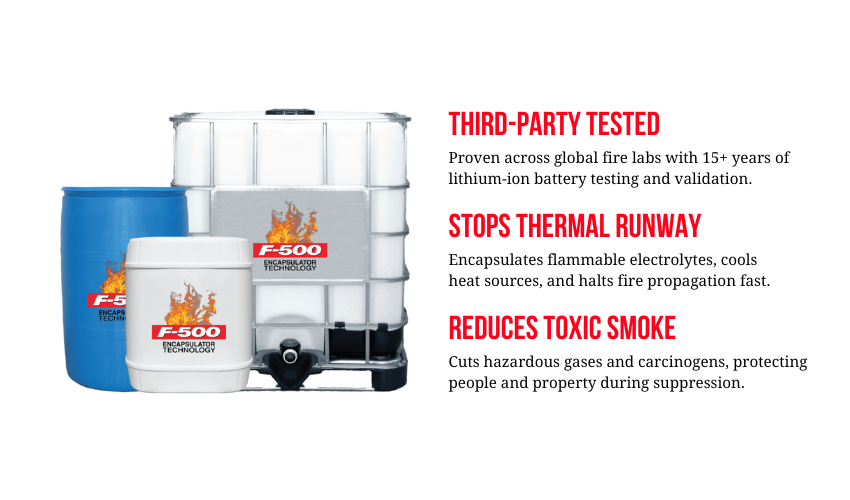
Fire Suppression Solutions from Hazard Control Technologies
Hazard Control Technologies (HCT) offers advanced fire suppression solutions engineered specifically for lithium-ion battery fires. Our F-500 Encapsulator Agent rapidly cools and neutralizes thermal runaway reactions, making it ideal for waste management facilities facing the rise of vape-related fires.
Contact Hazard Control Technologies today to see how our lithium-ion suppression systems can help your facility reduce risk, protect equipment, and stay ahead of modern fire challenges.


