
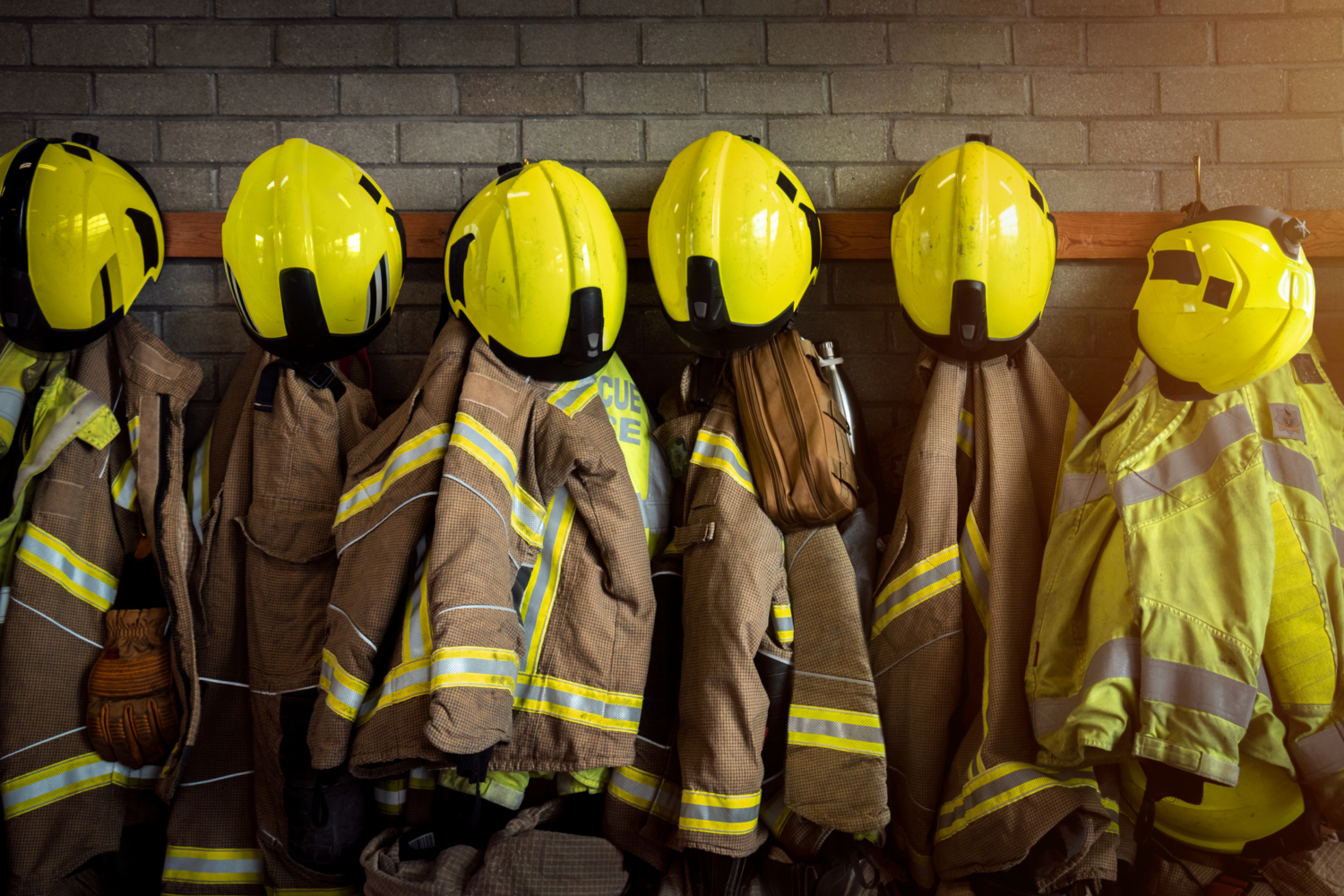
Firefighters put their lives on the line every day – rushing into burning buildings, facing extreme heat, smoke, and collapsing structures. Dozens of U.S. firefighters tragically lose their lives in the line of duty each year, and tens of thousands more are injured on the job. Beyond the immediate threats, firefighters also contend with hidden dangers like toxic chemical exposure and intense physical strain that can lead to long-term health issues. These risks aren’t just statistics; they have real consequences for those in the field and are driving many to reconsider or leave the profession.
Departments across the United States – especially those reliant on volunteers – are struggling to recruit and retain enough firefighters to meet the growing call volume. Fire service leaders warn this might be the greatest shortage we’ve faced in the modern era.
The Physical Risks of Firefighting
Being a firefighter means working in environments most people run away from – burning buildings, wildfire infernos, hazardous chemical incidents, and crashes – often wearing 50+ pounds of gear. The risks are inherent and numerous:
#1 Injury and Death on the Job
The National Fire Protection Association reports tens of thousands of firefighter injuries annually, ranging from burns and smoke inhalation to broken bones and heat exhaustion. Overexertion and physical strain remain a top cause of sudden firefighter fatalities.
#2 Extreme Heat and Exertion
Tasks like dragging heavy hoses, climbing multi-story stairwells, or carrying unconscious victims require peak strength and endurance. The heat from fires can reach hundreds to thousands of degrees and quickly dehydrate even the fittest individuals. Heart attacks remain a leading cause of firefighter line-of-duty deaths, as the combination of heat, adrenaline, and strenuous exertion can overload the cardiovascular system.
#3 Toxic Smoke and Hazardous Chemicals
Modern fires release carcinogenic toxins from burning plastics and synthetic materials. Even with respiratory protection, firefighters absorb harmful chemicals through skin contact. Occupational cancer is now the leading cause of firefighter line-of-duty deaths, responsible for 72% in 2023. Studies show firefighters face double the risk of testicular cancer and elevated risks for multiple myeloma, lymphoma, melanoma, and other cancers.
The Mental and Emotional Toll on Firefighters
Running into burning buildings is only one part of the challenge; the other is coping with what you see and do on a daily basis. Over time, the psychological strain can be devastating:
#1 Trauma and PTSD
Firefighters routinely witness traumatic events – from fatal car accidents and fire scenes to medical emergencies involving children. These experiences can leave lasting emotional scars. It’s estimated that rates of post-traumatic stress disorder (PTSD) among firefighters range anywhere from 7% to 30%, significantly higher than in the general population. Each call can contribute a layer of stress, and without proper support, those layers accumulate.
#2 Chronic Stress and Burnout
The nature of firefighting work – irregular hours, 24-hour shifts, waking up to alarms at 3 AM, and intense physical exertion – leads to chronic sleep deprivation and fatigue. This can erode a person’s mental resilience over time.
#3 Rising Suicide Rates
Tragically, the culmination of untreated PTSD, depression, and burnout can lead to suicidal thoughts. Some studies have found that firefighters experience suicidal ideation at rates up to 8 times higher than the general public. This alarming trend underscores how mental health issues have become one of the foremost problems in the fire service.
#4 Impact on Families and Personal Life
The mental strain of the job doesn’t stay at the firehouse door. Many firefighters suffer from relationship problems, substance abuse, or social withdrawal as a result of stress and trauma. The irregular schedules and the emotional highs and lows can put enormous pressure on marriages and families.
America’s Firefighter Staffing Crisis: A Growing Emergency
The staffing shortage has been decades in the making, accelerated by recent events:
Fewer Firefighters, More Emergency Calls
Over the past few decades, the demand for emergency services has grown significantly while the number of people available to respond has not kept up. In the last 40 years, the U.S. population grew by more than 40%, and the number of 911 calls for fire and medical emergencies has roughly tripled. Yet the ranks of firefighters – particularly volunteer firefighters – have shrunk dramatically, dropping by about 25% over the same period. This means fewer firefighters are now responsible for handling far more incidents than in the past.
Volunteer Firefighter Decline
About two-thirds of all U.S. firefighters are volunteers, who primarily serve small towns and rural areas. Volunteerism has deep roots and has long been the backbone of fire protection in much of the country. However, volunteer firefighter numbers have been dwindling steadily. There were roughly 897,000 volunteer firefighters in 1984, but only about 676,000 by 2020, even as the population grew. This decline means many communities don’t have the staffing they once did.
Why Now? A Perfect Storm
The firefighter shortage has been a growing concern for years, but it worsened considerably in the past decade. The wave of Baby Boomer retirements hit fire departments, meaning a large cohort of experienced firefighters aged out. At the same time, call volumes for both fires and medical emergencies kept rising. Then, events like the COVID-19 pandemic placed new stresses on first responders and, in some cases, led to additional departures or early retirements. By the early 2020s, many fire chiefs and industry organizations were sounding the alarm that if we don’t find ways to recruit and retain more firefighters, emergency response could be in jeopardy.
Impact on Public Safety

Why Fewer People Are Answering the Call: Key Causes of the Shortage
What’s behind the firefighter recruitment and retention crisis? There are multiple reasons – social, economic, and job-related – that fewer Americans are becoming or staying firefighters. Below are some of the major causes experts and firefighters themselves have identified:
#1 Awareness of Health and Safety Risks
The primary driver of the shortage is arguably the very thing we discussed earlier – the job’s danger. Prospective firefighters (and their families) are keenly aware of the health risks involved, from immediate injury to long-term cancer. As information has spread about firefighters’ higher rates of cancer, heart disease, and mental health issues, some people are understandably hesitant to sign up for a career that could seriously harm their health.
#2 Time Demands and Training Requirements
Becoming a firefighter is a significant time commitment. Training standards have increased over the years, meaning new recruits must invest hundreds of hours in training courses, drills, and certifications before they can fully participate. For volunteers, this is unpaid time that they must juggle with jobs and family.
#3 Lower Pay and Benefits for Career Firefighters
While volunteers make up the majority of firefighters, career firefighters are not immune to staffing issues either. Some fire departments, especially federal and wildland fire agencies, have struggled to offer competitive pay. In recent years, federal data showed the Forest Service lost almost half of its permanent firefighting staff between 2021 and 2024 due to difficulties in recruitment and retention, attributed in part to low pay and escalating job hazards.
#5 Greater Demands on the Fire Service
The job of a firefighter has evolved. Firefighters today don’t just fight fires – they respond to medical emergencies (many are certified EMTs or paramedics), perform technical rescues, handle hazardous material incidents, and more. This all-risk, all-hazard role means the training is broader and the responsibilities are greater than ever.
#6 Decline in Civic Volunteerism
On a broader level, there’s concern that volunteerism in general is down compared to previous generations. Whether due to busy lifestyles, the rise of digital entertainment, or less community connectivity, small towns and civic organizations report fewer volunteers for all kinds of activities – not just fire departments.
These factors, and often a combination of them, explain why the staffing crisis is happening. The good news is that many fire service leaders and organizations are actively seeking solutions to turn this trend around.
Solutions: Protecting Firefighter Wellbeing and Strengthening the Ranks
Hazard Control Technologies and other industry leaders are focusing on solutions that prioritize firefighter safety and wellness, which in turn can help ease the staffing crisis. Here are some key strategies and solutions:
Enhance Firefighter Safety on the Job
Making firefighting safer is critical to both retain current firefighters and assure recruits. This means providing the best protective gear, tools, and training to minimize risks. At Hazard Control Technologies (HCT), we’re committed to advancing this mission by providing solutions that directly reduce risks on the fireground. What sets us apart is that the majority of our team is made up of active and retired firefighters. That means when you work with HCT, you connect badge-to-badge with people who understand the challenges firsthand.
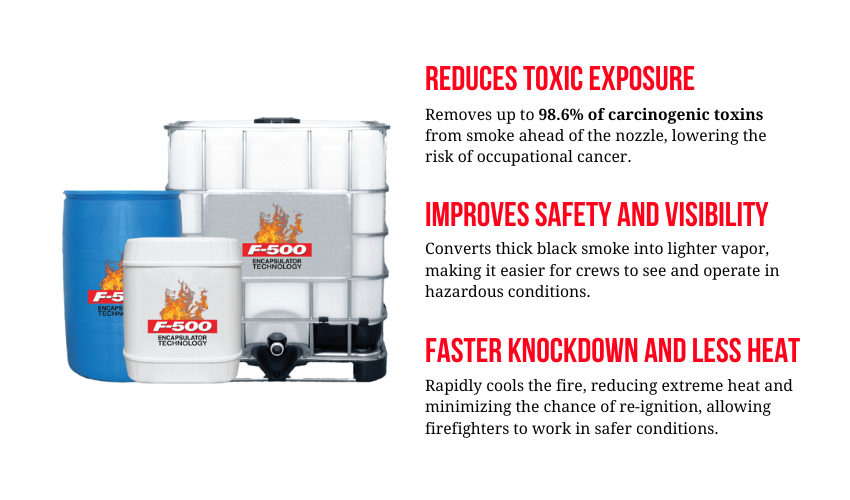
Our fluorine-free F-500 Encapsulator Agent is designed to address modern firefighting challenges while reducing the dangers crews face on every call. While many departments are replacing older fluorinated foams to eliminate harmful PFAS chemicals, F-500 EA® goes further, tackling hazards that impact firefighters daily.
From structure fires fueled by burning plastics to high-risk lithium-ion battery incidents, F-500 EA® provides a proven, safer solution. Backed by over fifteen years of testing, it not only cools and suppresses flames rapidly but also reduces the concentration of carcinogens in smoke and soot ahead of the nozzle — lowering the toxins firefighters inhale, absorb, and bring home.
The benefits extend to wildland firefighting, where crews endure prolonged exposure to extreme heat, smoke, and treacherous terrain. F-500 EA® has a track record of containing wildfires, preventing re-ignition, and minimizing harmful exposure, helping prevent burnout and injuries. By integrating this technology into their operations, departments can better protect firefighters, comply with evolving safety standards, and reassure both crews and their families that they have the best possible protection on the front lines.
Prioritize Health and Wellness Programs
Fire departments are recognizing that wellness initiatives are a necessity. This includes both physical and mental health programs. Annual firefighter physicals with cancer screenings, fitness programs, and nutrition guidance can help firefighters stay in top shape and catch health issues early.
Equally important is mental health support: Peer support teams and counseling services are being established so that firefighters have somewhere to turn after traumatic calls. Some large departments now have on-staff psychologists or access to confidential therapy hotlines.
Better Work Schedules and Staffing Practices
To combat burnout, some departments are reexamining how they schedule and deploy their crews. In places facing chronic understaffing, regional cooperation is a solution: neighboring departments can form automatic aid agreements to jointly respond to calls, so no single crew is overwhelmed. Some fire services are also exploring duty crew models for volunteers, where volunteers sign up for specific shifts (like overnight duty at the station) rather than being on-call 24/7, making the commitment more manageable.
Increase Recruitment with Incentives and Outreach
To bring in new firefighters, many communities are getting creative with recruitment. Some offer financial incentives: modest pay stipends for volunteers, tuition reimbursement, property tax breaks, or pension programs as a “thank you” for service. On the career side, departments and governments are looking at salary increases or bonuses to attract candidates.
Community and Government Support
Supporting local fire departments through adequate funding ensures they can afford the safety gear, training, and even modest perks that make firefighters’ lives easier.
Some towns have passed small tax increases or created fire service districts to hire a few paid firefighters to supplement volunteers and ensure someone is always available. At the state and national level, laws are being enacted to support firefighter health – for example, many states now have “presumptive cancer” laws that guarantee firefighters coverage if they develop cancer, recognizing it as job-related. This gives firefighters peace of mind that if they do get sick, they won’t be abandoned.
When community leaders and citizens champion their fire department, it boosts firefighter morale and demonstrates that this challenging work is appreciated, which can make a big difference in keeping the passion for the job alive.
The Path Forward for a Safer Fire Service
Firefighting will always be a challenging and dangerous calling – that is part of what makes it so heroic. These hardships are a big reason why many fire departments are facing a staffing crisis.
However, understanding the problem is the first step toward a solution. At Hazard Control Technologies, we are committed to being part of the solution. We believe that through innovation, education, and partnership with fire departments, we can help make firefighting safer and more sustainable. Whether it’s developing advanced fire suppression agents that reduce toxic exposure or providing training and resources for firefighter health, our focus is on protecting those who protect us.
Contact Hazard Control Technologies and learn about our solutions for supporting firefighter wellbeing.


